Semaglutide Peptide
This strength is temporarily unavailable. Choose another strength above, or contact us and we’ll let you know as soon as it’s back in stock.
Larger volumes? Bulk and wholesale pricing is available on request.
Overview
Semaglutide Peptide is a synthetic peptide compound used in laboratory research involving glucagon-like peptide-1 (GLP-1) receptor activity and related biochemical pathways. It is of interest in studies examining receptor signalling, metabolic processes and peptide–receptor interactions.
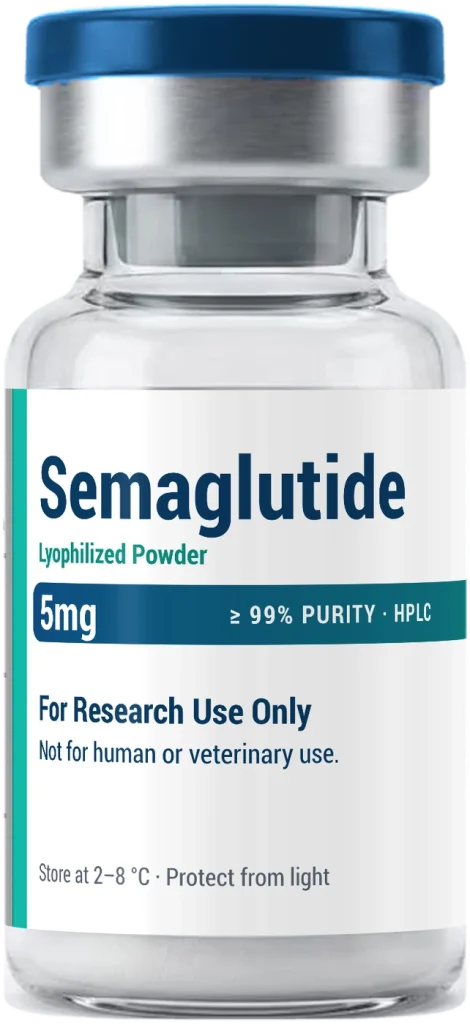
For UK research requirements, Semaglutide is available here in three quantities: Semaglutide 5mg, Semaglutide 10mg and Semaglutide 20mg. Each option contains the same research compound; the difference is the total quantity supplied.
This Semaglutide Peptide is provided strictly for laboratory and scientific research purposes. It is not intended for human or veterinary consumption and is not supplied as a medicine, treatment or pharmaceutical product.
What Is Semaglutide Peptide?
Semaglutide is a synthetic peptide and analogue of glucagon-like peptide-1, commonly referred to as GLP-1. Its molecular characteristics allow it to interact with the GLP-1 receptor, which has made the compound relevant to a range of laboratory studies.
Within research settings, Semaglutide may be investigated as part of work looking at receptor binding, receptor activation, signalling pathways and metabolic biology. Researchers may also use the compound when comparing the behaviour of different receptor agonists under controlled experimental conditions.
The Semaglutide Peptide described here is a laboratory research material. Although semaglutide is also an active ingredient in certain regulated medicines, research material should not be confused with those pharmaceutical products.
The purpose of a Semaglutide research compound is to provide material for appropriately designed scientific investigations rather than for personal or clinical use.
Semaglutide and GLP-1 Receptor Research
GLP-1 is a naturally occurring peptide hormone involved in several biological signalling processes. It interacts with the GLP-1 receptor, a G protein-coupled receptor that has been widely studied in metabolic and cellular research.
Semaglutide acts as a GLP-1 receptor agonist. This means that researchers can study its interaction with the receptor and examine subsequent signalling activity under controlled laboratory conditions.
Scientific interest in GLP-1 receptor agonism covers areas including receptor pharmacology, cellular signalling, biochemical responses and metabolic pathways. Depending on the experimental model, researchers may examine receptor activation, downstream signalling or differences between compounds with distinct receptor profiles.
Some characteristics of Semaglutide and its interaction with the GLP-1 receptor are well established in scientific literature. Other questions concerning specific biological mechanisms, experimental models and broader pathway interactions remain subjects of continuing research.
Laboratory findings should therefore be interpreted within the design and limitations of the individual study rather than treated as evidence of a particular clinical outcome.
Purity, Batch Testing and Certificate of Analysis
Documentation is an important consideration when sourcing compounds for laboratory work. Researchers may need information covering compound identity, purity, analytical testing and batch traceability before deciding whether a material is appropriate for a particular experiment.
Where a Certificate of Analysis (CoA) is provided, it should relate to the relevant product batch rather than being treated as a general certificate for every vial. Batch numbers can help connect physical research material with its supporting analytical documentation.
For this reason, claims such as a specific purity percentage or particular analytical testing method should only be made where they can be supported by genuine documentation.
Research Context for Semaglutide
Semaglutide continues to attract scientific attention because of its interaction with the GLP-1 receptor and the biological pathways associated with that receptor.
In laboratory settings, researchers may investigate areas such as GLP-1 receptor signalling, receptor interaction, cellular responses and metabolic pathway activity. Semaglutide may also be included in comparative studies where researchers examine compounds with different receptor targets or molecular characteristics.
Other experimental work can involve biochemical analysis or the study of downstream signalling following receptor activation.
The relevance of a particular research area depends on the experimental model, methodology and question being investigated. Findings from one laboratory model cannot automatically be applied to another.
The Semaglutide research peptide supplied here is therefore provided as research material without any promise or assumption regarding the outcome of a particular experiment.
Semaglutide Compared with Multi-Receptor Research Compounds
Semaglutide is primarily associated with GLP-1 receptor agonism, while some other compounds studied in metabolic research have activity involving more than one receptor system.
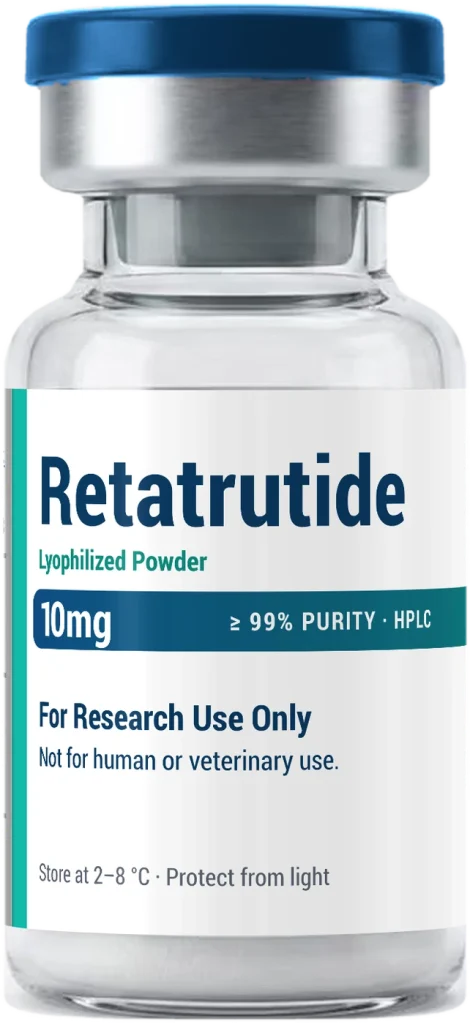
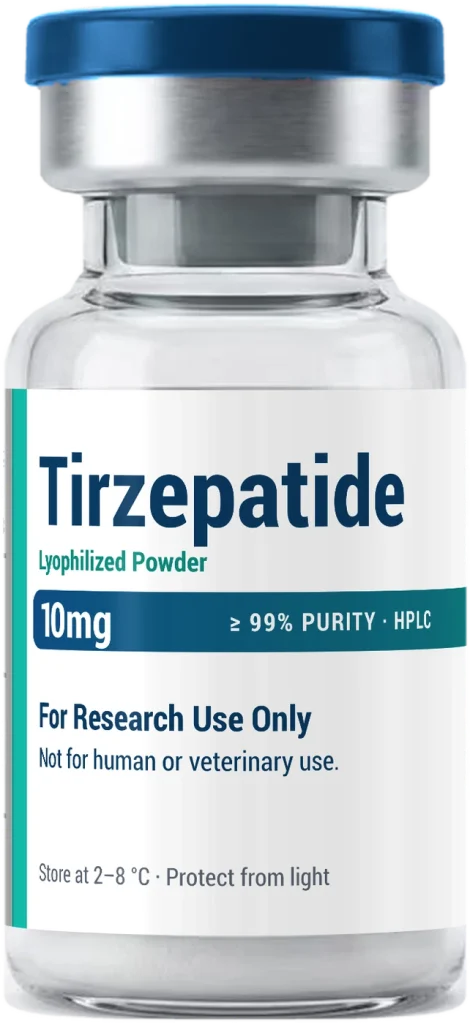
Tirzepatide, for example, has agonist activity at both GIP and GLP-1 receptors. Retatrutide is an investigational compound studied for activity involving GIP, GLP-1 and glucagon receptors.
These differences give researchers distinct receptor profiles to investigate. Semaglutide may therefore be relevant where the focus is primarily GLP-1 receptor activity, while multi-receptor compounds can be used in research examining interactions across several receptor pathways.
This distinction concerns their scientific and receptor profiles. It does not mean that one research compound is inherently better than another.
Semaglutide Research Specifications
Specifications that depend on the individual batch should be checked against the relevant product and batch documentation.
Certificate of Analysis
Independent third-party analysis for the current batch. Verify identity and purity before use.
Storage and Laboratory Handling
Semaglutide research material should be handled according to the product-specific documentation supplied with the relevant batch.
As with other laboratory research materials, researchers should take appropriate steps to protect the compound from environmental conditions that may affect its integrity and to maintain clear batch identification throughout storage and experimental work.
Standard laboratory procedures for documentation, handling and access should also be followed.
This section relates only to storage and handling in a research environment. It is not a preparation, reconstitution, injection or administration guide.
Shipping
Orders placed before 15:00 GMT on a working day are dispatched the same day from the United Kingdom in temperature-conscious, discreet packaging. Tracked UK delivery typically arrives within 1–2 working days; international timelines vary by destination and customs.
Frequently Asked Questions About Semaglutide Peptide
Semaglutide is a synthetic peptide and GLP-1 analogue. In scientific research, it is studied for its interaction with the GLP-1 receptor and associated receptor signalling, biochemical and metabolic pathways.
The research material is available as Semaglutide 5mg, Semaglutide 10mg and Semaglutide 20mg. These figures describe the total amount of research material supplied in the respective vial.
The main difference is quantity. Each option contains Semaglutide; 5mg, 10mg and 20mg indicate how much material is supplied. They should not be interpreted as different molecular versions of Semaglutide or as human doses.
Yes. Semaglutide is a GLP-1 analogue with agonist activity at the GLP-1 receptor. This receptor interaction is one of the main reasons the compound is studied in laboratory research.
Research can include GLP-1 receptor signalling, receptor interaction, cellular signalling, metabolic pathways and biochemical analysis. The exact purpose depends on the experimental model and research question.
No. The Semaglutide research material described on this page is supplied strictly for laboratory and scientific research. It is not intended for human or veterinary consumption.
No. Ozempic and Wegovy are regulated pharmaceutical products containing semaglutide and are supplied within a medicinal framework. Laboratory Semaglutide research material is a separate type of product and should not be confused with licensed medicines.
Where a batch-specific CoA is available, the documentation should correspond with the relevant product batch. Researchers should refer to genuine analytical documentation rather than relying on general purity claims.
Storage should follow the conditions stated in the actual product or batch documentation. Appropriate laboratory handling and batch identification procedures should be maintained throughout storage.
This page is intended for the UK research market and lists Semaglutide in 5mg, 10mg and 20mg quantities. Any delivery or stock information should reflect the site's current fulfilment arrangements.
The Semaglutide supplied on this page is intended solely for laboratory and scientific research. It is not intended for human consumption, veterinary use or personal use.
It is not supplied as a medicine and must not be used or represented as a product for diagnosing, treating, curing or preventing any disease or medical condition.
Researchers and laboratories are responsible for ensuring that the material is stored, handled and used in accordance with their own laboratory procedures and any requirements applicable to their research.